

Home Painting Tips: How to Choose Colors and Materials for Heat Resistance
Painting your home is not only about making it look fresh and modern. In hot climates, the right paint choices can lower indoor temperatures, protect your walls, and reduce energy bills. Many homeowners focus only on color, but both shade and material play a big role in heat resistance.
At Budget Home Fix, we help homeowners choose paints that look great and perform well, even in strong sunlight and high temperatures. Here is a simple guide to help you make the right decisions before your next paint job.
Why heat-resistant paint matters
Direct sunlight can heat exterior walls quickly. Dark surfaces absorb more heat, which then transfers inside your home. This can lead to:
• Higher cooling costs
• Faded or peeling paint
• Cracks and surface damage
• Shorter paint lifespan
Using the right colors and materials helps reflect heat instead of trapping it.
1. Choose light and reflective colors
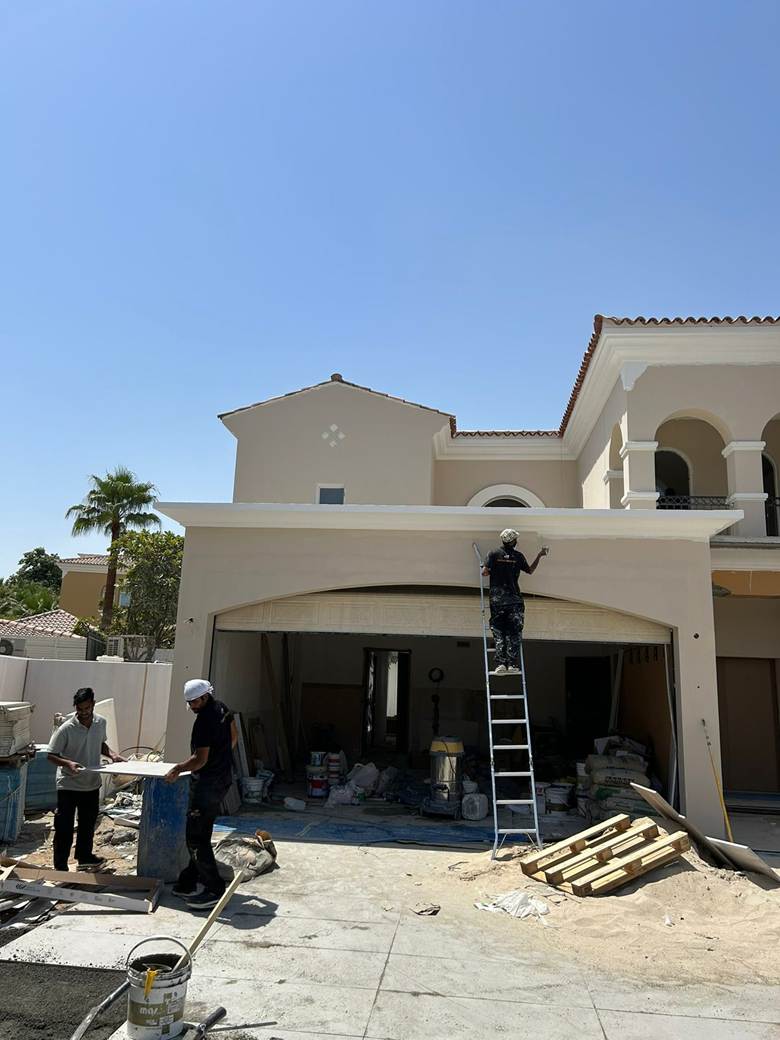
Color is the first factor affecting heat absorption.
Light shades reflect sunlight, while darker shades absorb it. This simple change can lower surface temperatures by several degrees.
Best colors for hot climates
• White
• Off-white
• Beige or sand
• Light grey
• Soft pastel tones
These shades keep walls cooler and reduce the load on your air conditioning.
Colors to avoid
• Black
• Dark brown
• Deep red
• Navy blue
• Dark green
If you love darker colors, consider using them only for trims or accents instead of large surfaces.
2. Pick the right type of paint
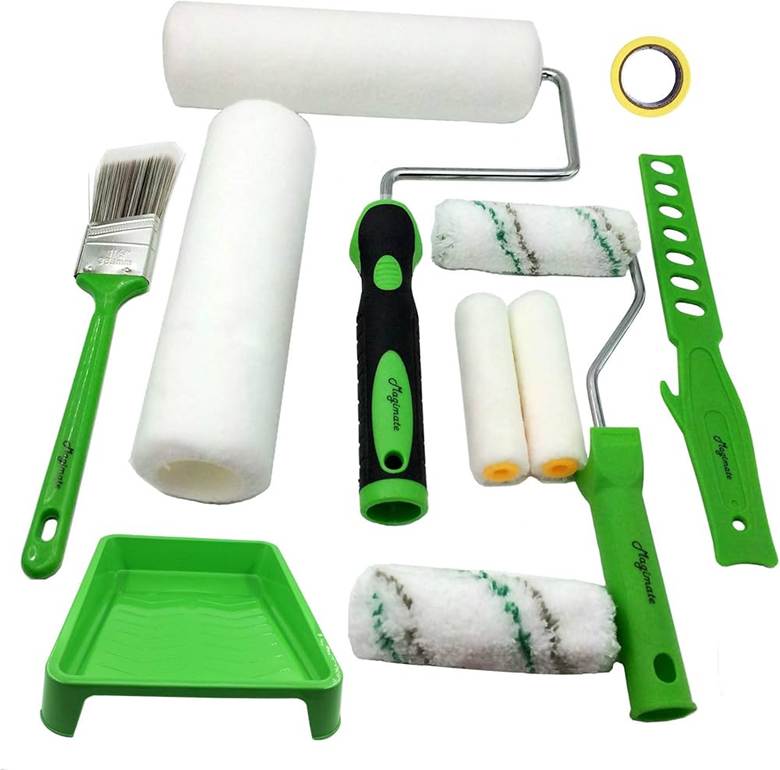
Not all paints are built for heat. Standard paints may fade or crack quickly under strong sunlight.
Heat-resistant paint options
Acrylic latex paint
A popular choice for exteriors. It resists cracking, peeling, and UV damage. It also expands and contracts with temperature changes.
Elastomeric coatings
Great for very hot regions. These coatings create a thick, flexible layer that seals small cracks and reflects sunlight.
Reflective or cool roof paints
Especially designed to reflect solar heat. Ideal for roofs and terraces.
Oil-based paints
Durable but can trap heat. They are less breathable, so they are not always the best choice for very hot climates.
For most homes, high-quality acrylic latex paint offers the best balance between durability and cost.
3. Consider finishing and texture
Finishing matters just as much as color.
• Glossy and semi-gloss finishes reflect more light and heat
• Matte finishes absorb slightly more heat
• Textured surfaces may trap dust and heat
For exteriors, satin or semi-gloss is often a smart choice because it reflects heat and is easier to clean.
4. Don’t skip primer and surface prep
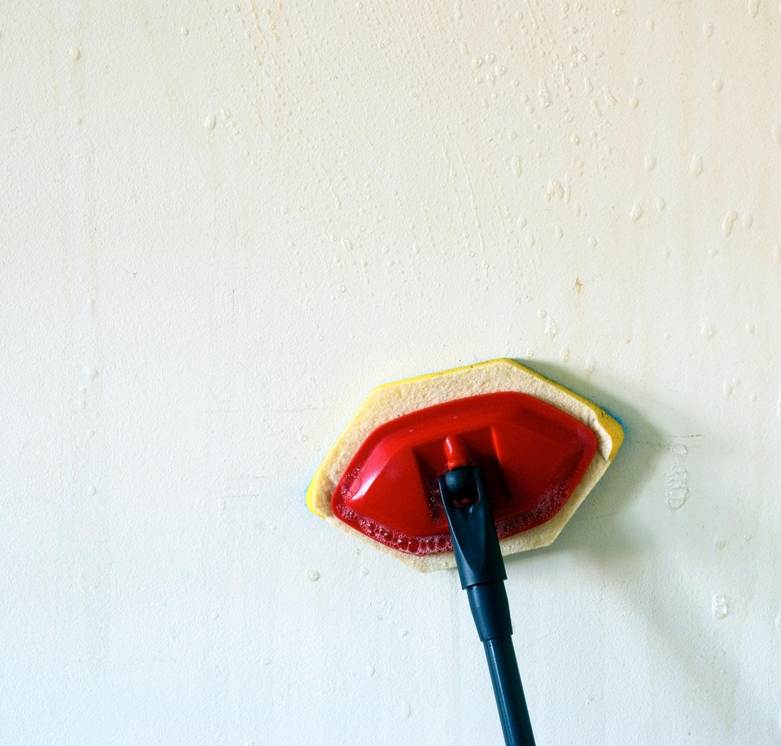
Even the best paint will fail without proper preparation.
Steps you should follow
• Clean dust and dirt
• Repair cracks and holes
• Use a heat-resistant primer
• Allow surfaces to fully dry before painting
A good primer improves adhesion and adds another layer of protection against heat and moisture.
5. Paint at the right time of day
Painting in extreme heat can cause paint to dry too quickly, leading to poor coverage and peeling.
Try to paint:
• Early morning or late afternoon
• On mild temperature days
• Avoid direct midday sun
This helps paint cure properly and last longer.
6. Think long-term maintenance
Heat and sunlight slowly wear down any surface. To keep your home looking fresh:
• Inspect walls yearly
• Touch up faded areas
• Repaint every 5 to 7 years
• Wash walls to remove dust and dirt buildup
Regular care saves money compared to full repainting too soon.
Final thoughts
Choosing heat-resistant colors and materials is a smart investment. Light shades, reflective finishes, and quality exterior paints can make your home cooler, more comfortable, and more durable.
If you want professional guidance or a reliable painting service, Budget Home Fix is here to help. Our team uses proven techniques and high-quality materials to ensure your home stays protected in every season.
Visit www.budgethomefix.com to learn more or schedule your next home improvement project.
A fresh coat of the right paint can do more than improve appearance. It can protect your home and lower your energy bills for years to come